

Online learning has never been simpler. You can learn, attend workshops and acquire new skills from anywhere. There’s just one gigantic problem that a lot of people forget most of what they’ve learned after completing a lesson. This reduces the value of learning and even makes it worthless at times.
In order to make learning stick, we require the proper strategies. Retaining knowledge involves maintaining information in your head for the long term. It provides learners with the capability to recall and make use of lessons where necessary. Some of the most effective strategies that enhance digital learning retention and make it more memorable are provided below.
Digital Learning Retention Strategies
Chunk Content into Bite-Sized Modules
It is difficult for the mind to absorb big lessons in one go. Long and complicated lessons make students sleepy or bored. If content is broken up into tiny segments, it becomes simpler to learn and retain. This practice is referred to as microlearning.
Short lessons also accommodate busy timetables. A student can view a short video or read a brief chapter in the middle of their break. Gradually, these small lessons construct a very good foundation of knowledge, which is simpler to remember.
Use Spaced Repetition for Long-Term Memory
When we practice something only once, we tend to forget it. Our brain requires cues to transfer information from short-term memory to long-term memory. Spaced repetition is the optimal means of doing this. Reviewing the same piece of material again, a few weeks or days late,r is what it implies.
This repeated practice makes information stronger in the brain. For instance, an app can provide a learner with questions from previous lessons at regular intervals. Every time the learner responds, the memory gets stronger and longer-lasting.
Incorporate Active Learning Techniques
Listening or reading alone will not do. Learners learn more when they are actively involved in the lesson. Active learning involves doing tasks such as quizzes, problem-solving, or practising skills.
When students apply what they have learned immediately, it is retained in their memory. For instance, after a lesson on how to write an email, students can compose an example email. This active practice makes them recall better than if they were just reading about it.
Make Use of Storytelling and Everyday Situations
They are strong because they link learning to feelings. Individuals recollect stories for a lot longer than simple facts. If a lesson is framed as a story, students can visualise how it applies to everyday life.
Use the 70-20-10 Learning Model
70-20-10 is a basic explanation of the way in which we learn best. It states that we learn 70% through doing the task, 20% through learning with others, and 10% through formal instruction. The model illustrates why practice is vital.
Online learning can incorporate this model by providing actual projects, group work, and brief lessons. Not only do learners see videos, but they also apply them and exchange with peers. This makes knowledge more powerful and effective.
Utilise Visuals and Multimedia for Enhanced Recall
The mind comprehends images quickly than words. Visuals such as diagrams, infographics and video assist learners to learn better. They transform complicated concepts into basic forms and images which remain memorable.
Multimedia also increases the interest in learning. A combination of text, voice, and images holds learners’ attention for a longer period. For instance, a video of a few minutes with images and voice is more memorable than a lengthy page of text.
Encourage Collaborative and Social Learning
Learning with others is powerful. Discussions, group work, and peer comments provide students with new perspectives and ideas. Social learning creates memory since students clarify concepts to one another. Instruction is a robust means of remembering.
Web-based devices such as forums and chat groups facilitate working together. Students can learn from experiences and pose questions at any time. This creates community and makes lessons real.
Personalise the Learning Journey
Not every learner is the same. Some require more practice in an area while others learn quicker. Personalised learning adjusts content to the individual needs of each learner. It makes lessons more engaging and more memorable.
For instance, online platforms can monitor progress and recommend the next lesson. A learner having difficulty with an area can receive additional practice. This personalisation keeps learners engaged and memorises more.
Give Ongoing Feedback and Evaluation
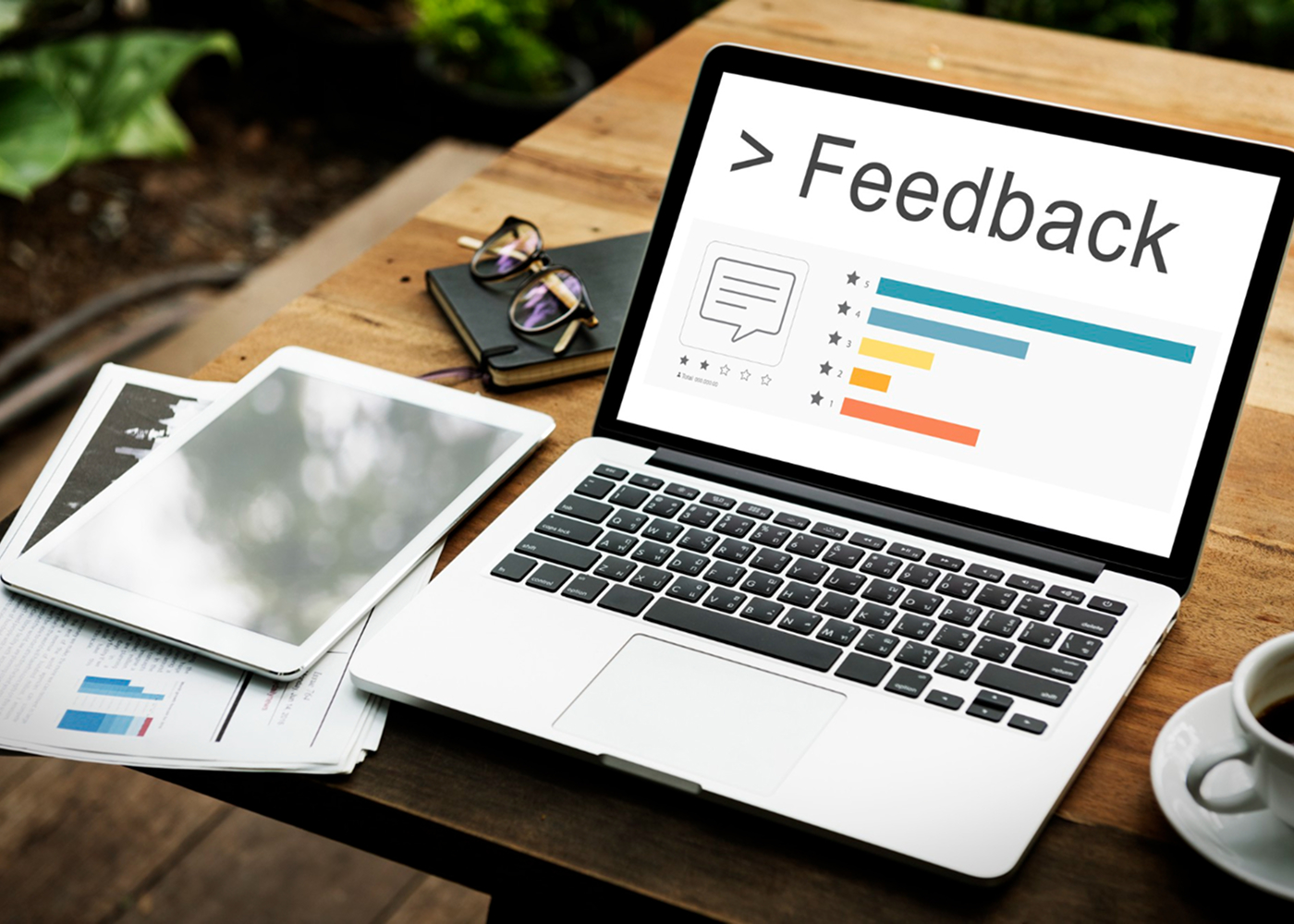
Feedback informs students of what they did well and what needs to be done better. Without it, errors repeat, and information could be forgotten. Periodic evaluations, such as quizzes or brief tests, also aid recall.
Instant feedback works best. If a learner gets to see the right answer immediately, they are more likely to recall it later. This loop of learning, testing, and feedback makes knowledge stronger day by day.
Conclusion
Digital learning is not only about providing lessons, but also about making them stick in minds. With proper strategies, learners can retain more, utilise their skills in a much better way and gain more confidence.
FAQs
1. Why is knowledge retention significant in digital learning?
It ensures learners remember and apply what they learn.
2. How is knowledge best retained?
A combination of methods is best. Spaced repetition, active learning, and practice form good memories.